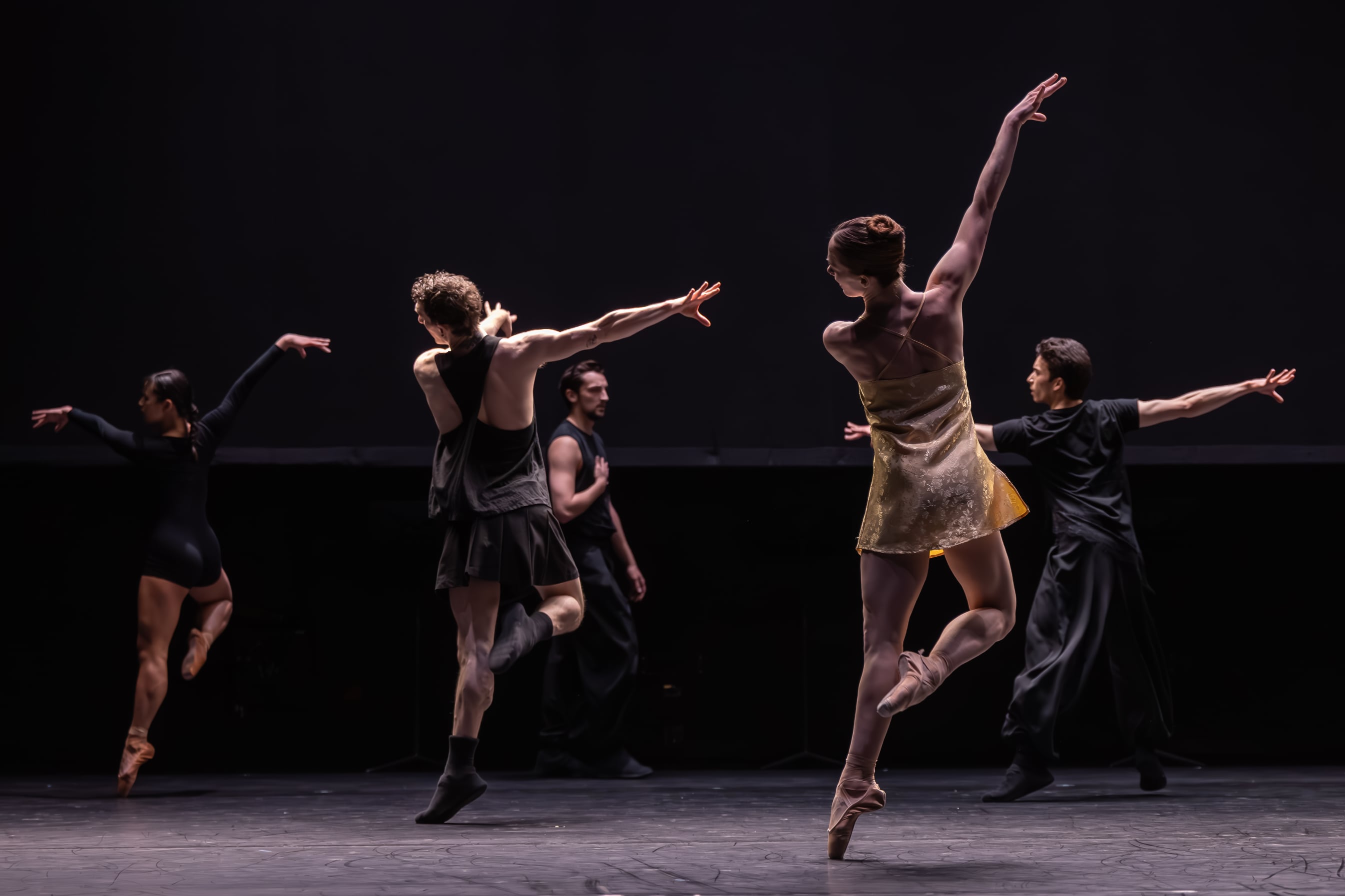
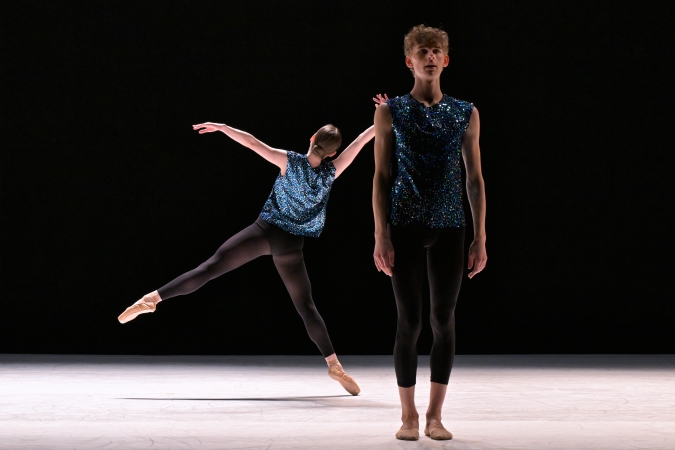
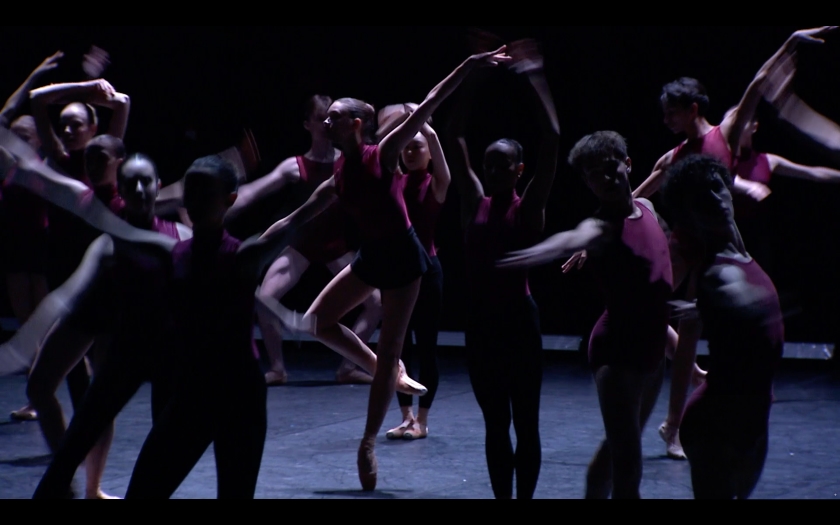
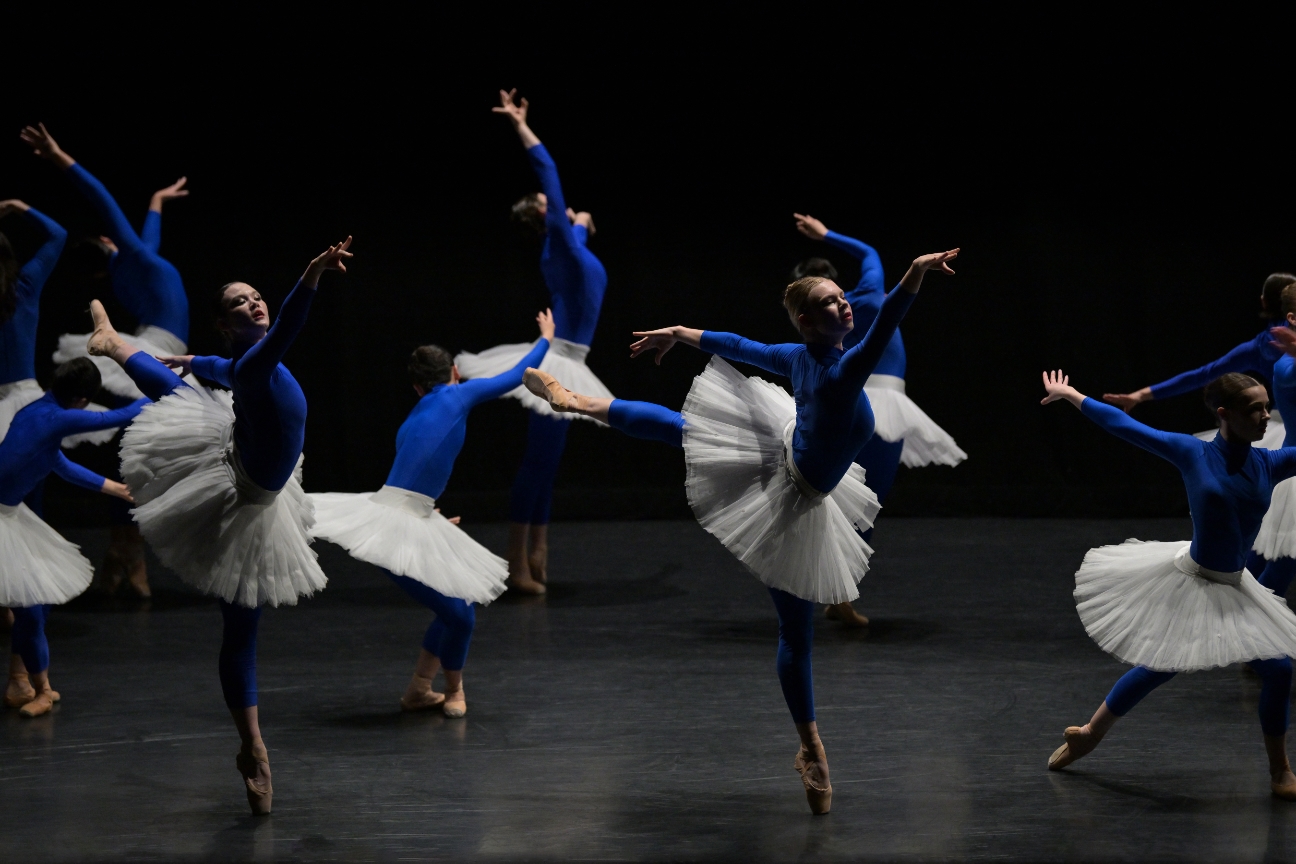
- Title: VARIATION(S) III ON THE THEME OF WILLIAM HAY
- Year: 2017
- Date: 10.11.2017
- Duration: 3 Hours
- Venue: Neuer Kunstverein Wuppertal
- City, Country: Wuppertal, Germany
- Choreography: Cyril Baldy
- Performance: Louella May Hogan & Cyril Baldy
- Music: Cyril Baldy
- Light: Cyril Baldy
- Costume: Louella May Hogan & Cyril Baldy
- Stage: Paul Barsch
- Artistic Director: Svenja Wichmann
- Assistant: Leonie Wichmann & Lisa Thiele
- Editing: Sergio Estébanez
- Film: Sergio Estébanez
- Supported by: Kulturbüro Wuppertal, PACT Zollverein and Neuer Kunstverein Wuppertal
- Video: Sergio Estébanez
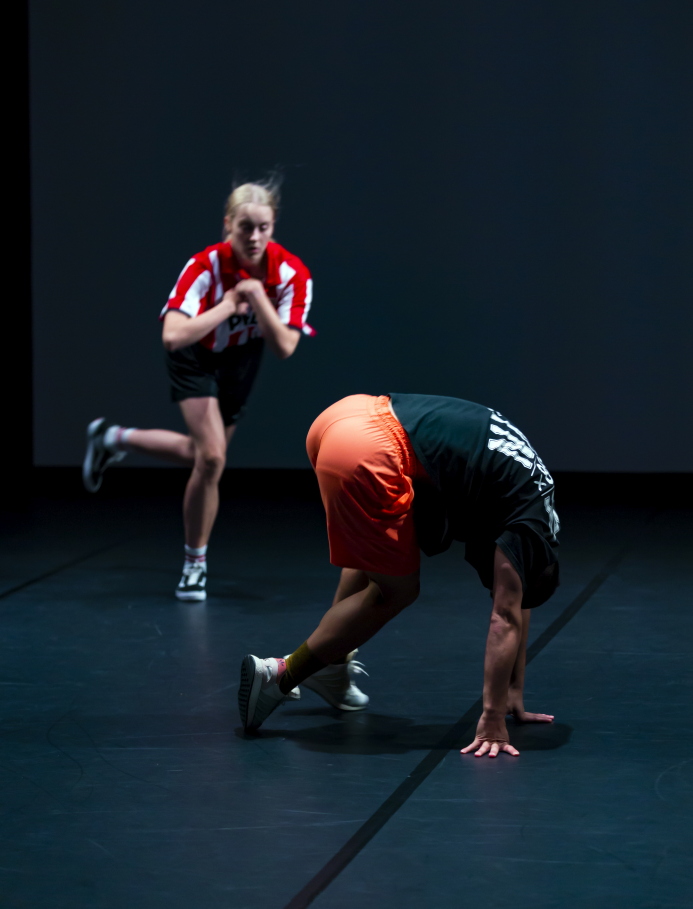
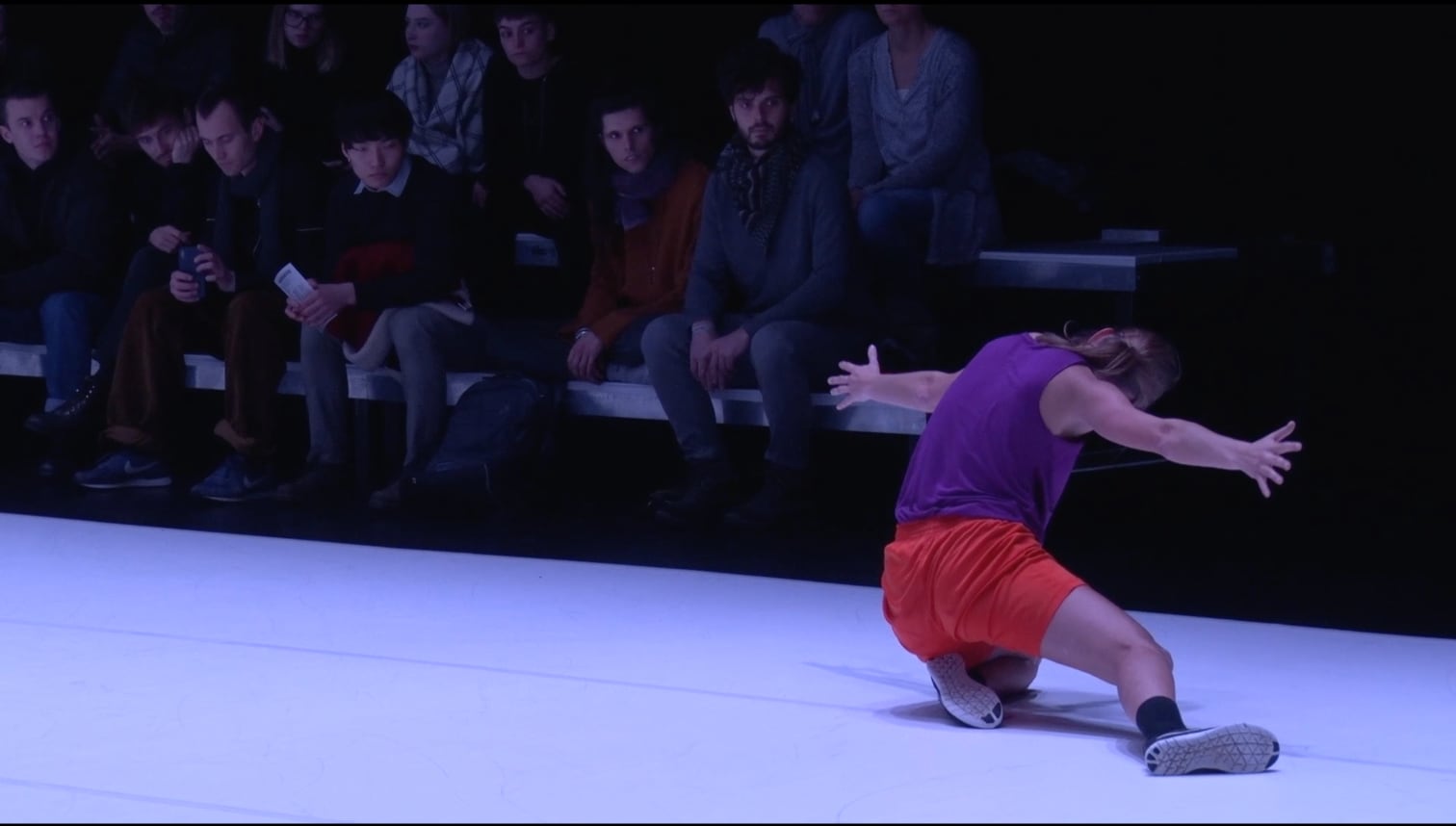
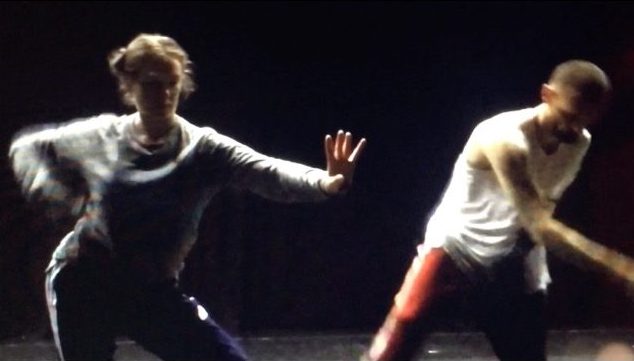
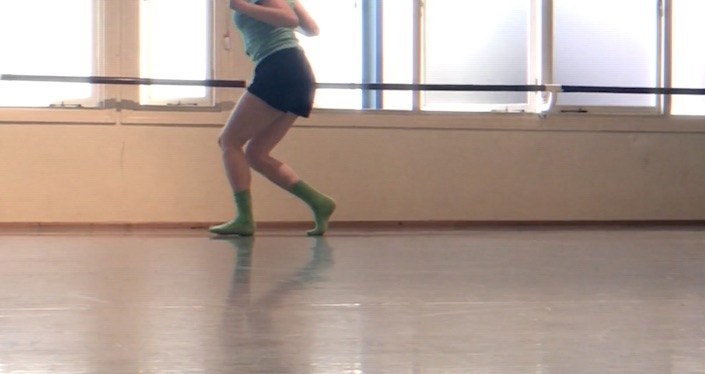
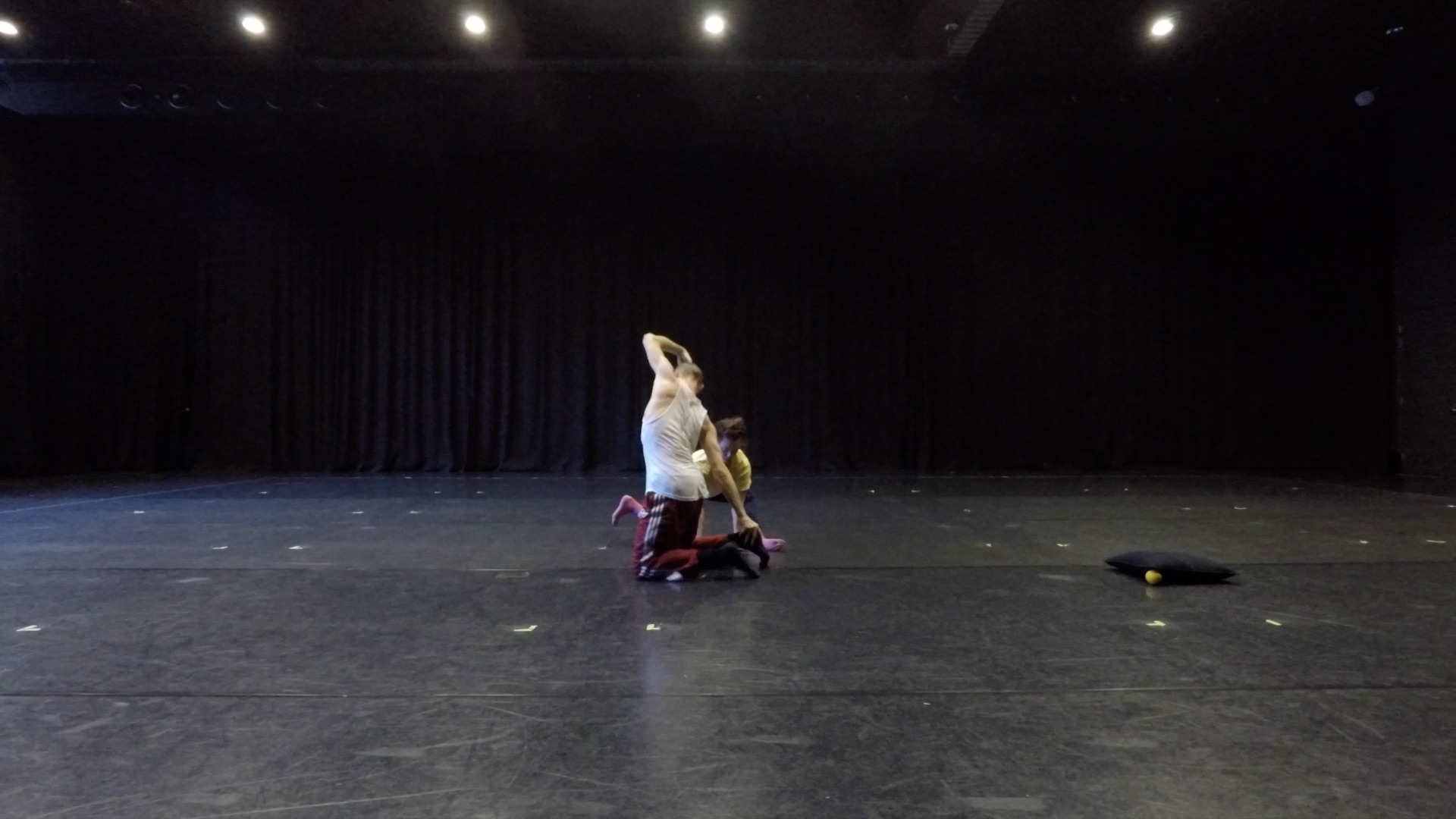
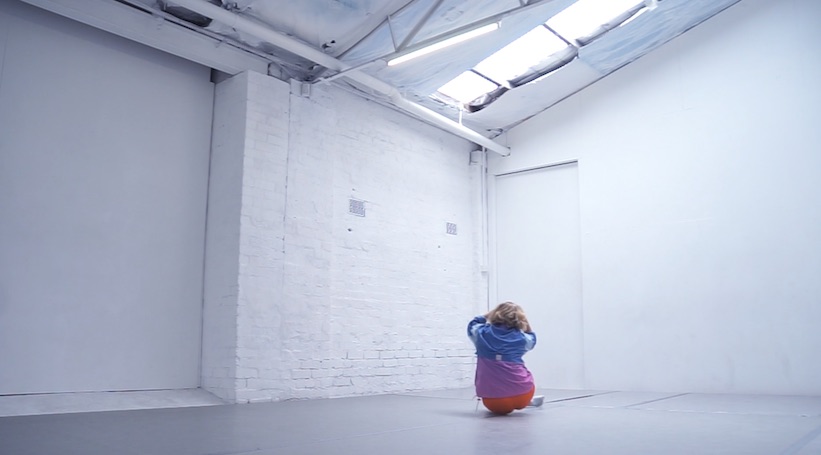
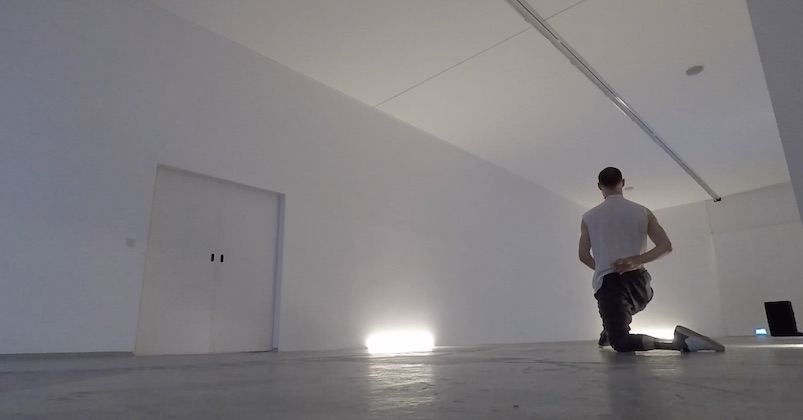
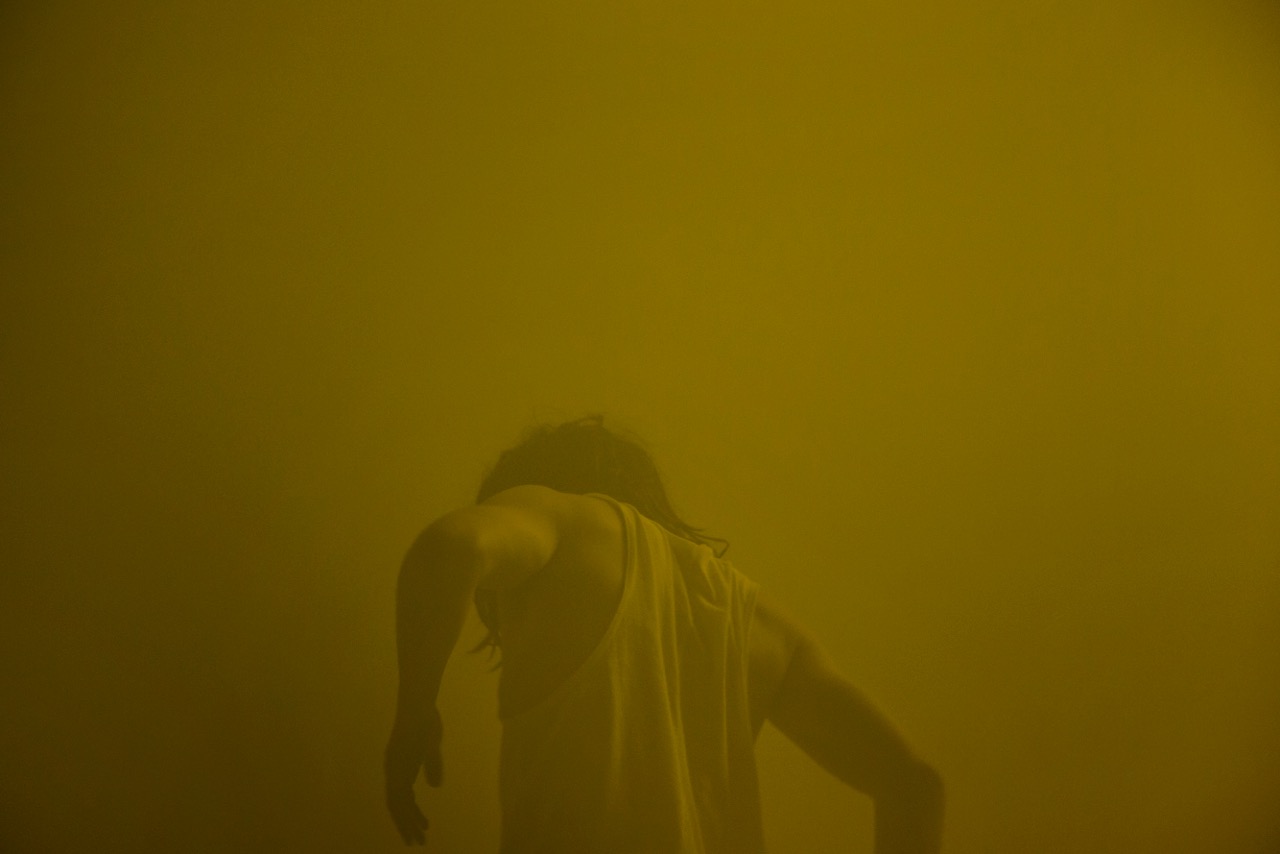
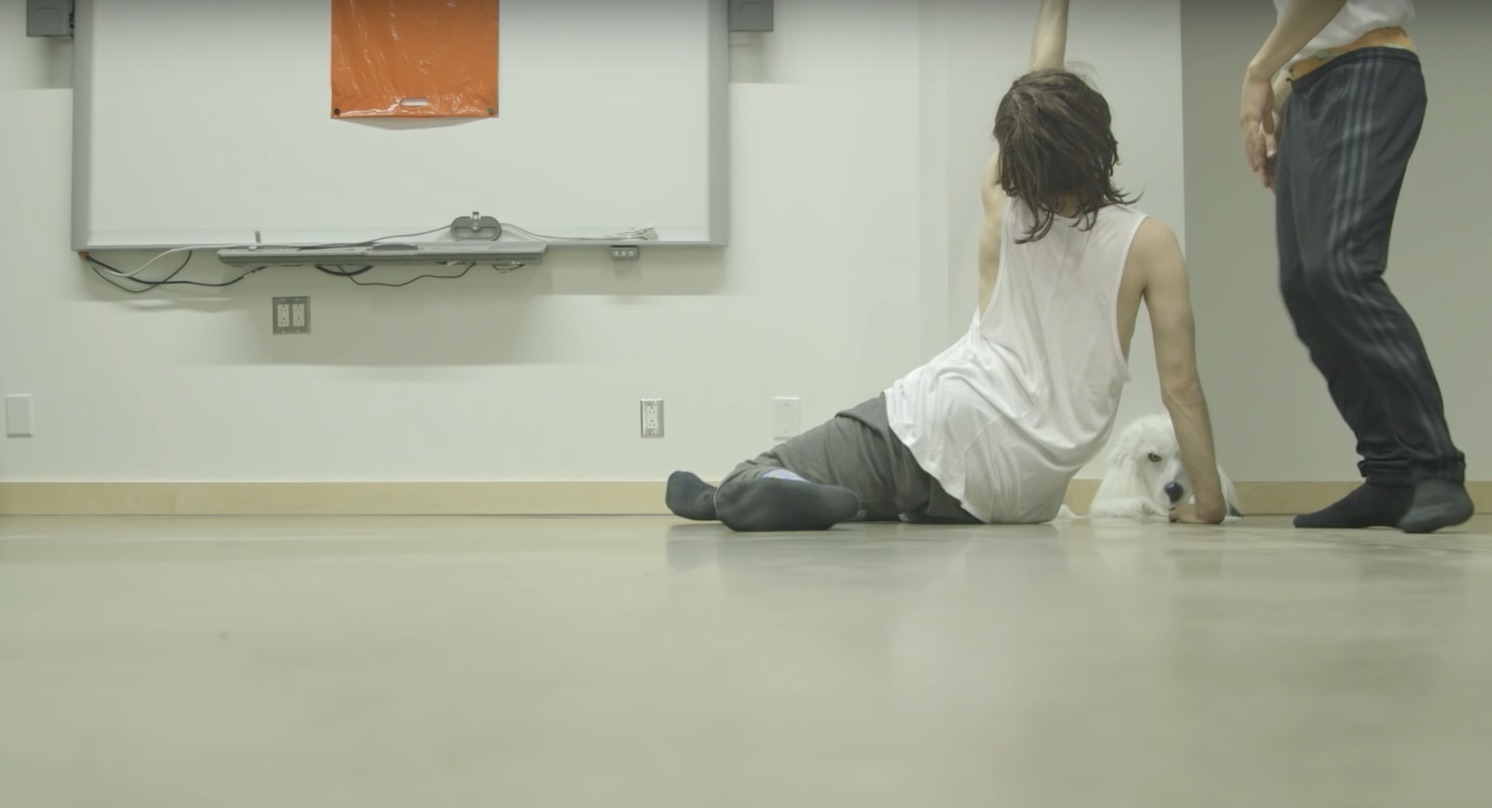
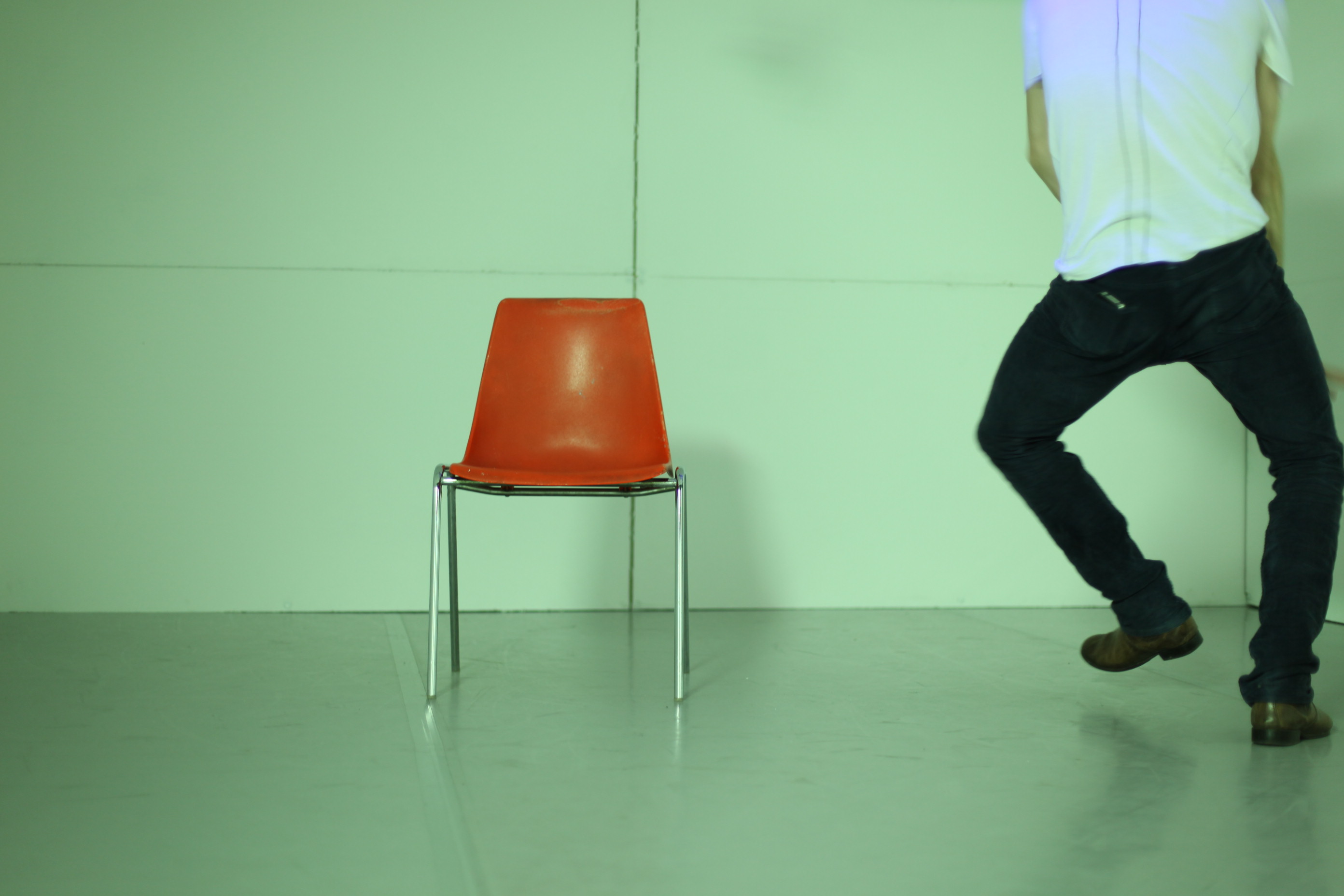
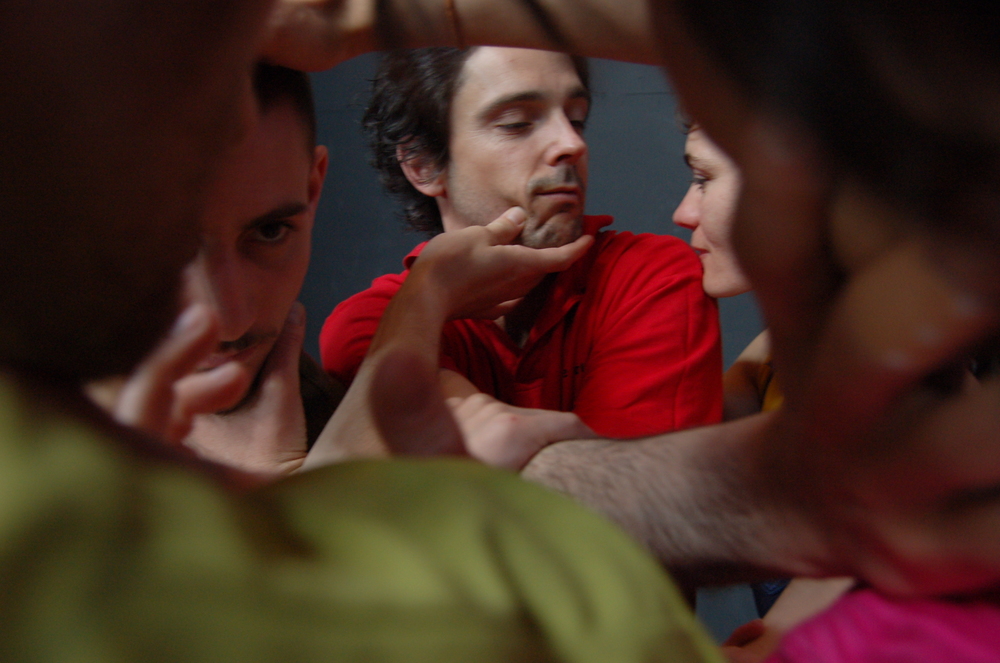
VARIATION(S) III ON THE THEME OF WILLIAM HAY is about dancing.
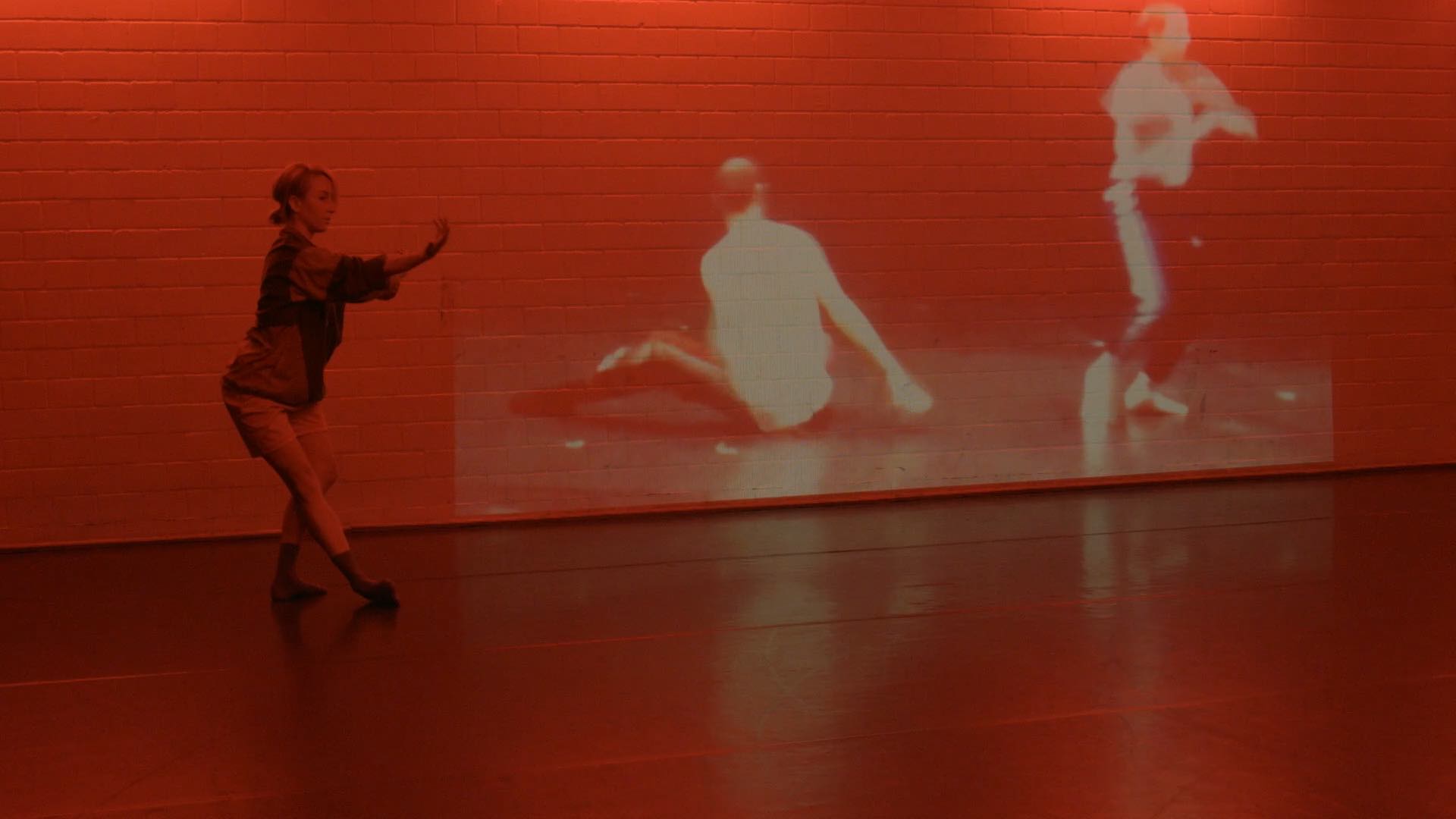
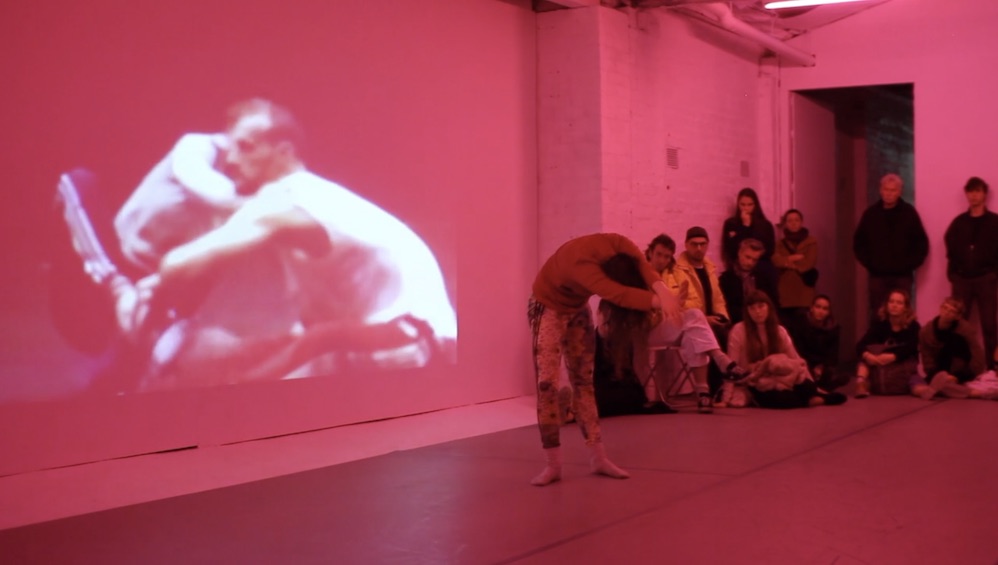
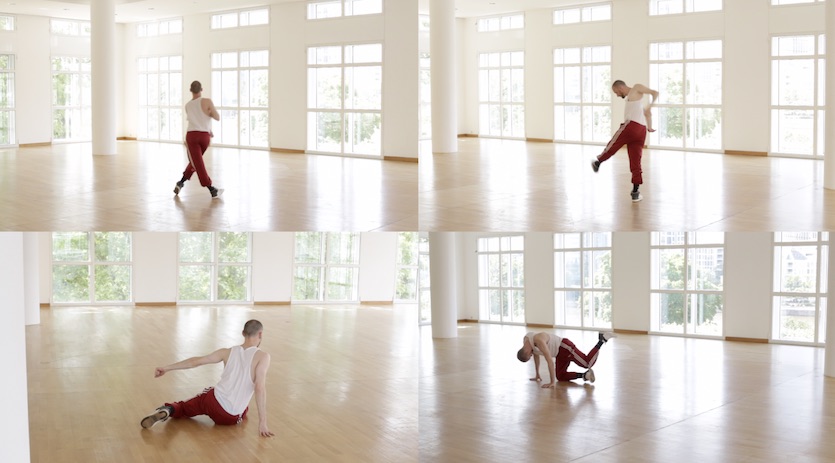
WILLIAM HAY is a dance piece composed of 1 solo of 20 minutes performed repeatedly over 3 hours by a woman and than a man.
WILLAM HAY examine dancing.
In WILLIAM HAY, dancing is used in an expanding sense, synonymous with specific bodily processes, physical structures and cognitive strategies disconnected from subjectivist bodily expression, style and representation.
Accordingly, the meaning of dancing in WILLIAM HAY has transformed from referring to a set of protocols or tools used in order to produce something predetermined, i.e. telling, illustrating, repeating or informing, to an open cluster of tools (materials) that can be used in a generic capacity for both analysis and production.
WILLIAM HAY aims to emancipate itself from concepts and theories, engaging in a vibrant process of physical articulation of perception in respond to the inner and outer environment (considering there is such thing) in which dancing is taking place.
WILLIAM HAY experiments with new bodily models of production, alternative formats of physicality to enlarged its understanding and mobilise innovative forms in respect of self-organisation, emergence, and autonomy.
In WILLIAM HAY, dancing aims to redefine itself in order to include artists (dancers) and others use of choreographic strategies without necessarily relating them to an other discipline or field.
In WILLIAM HAY contracting a fix singular emotional identification of the self utilised as a projectile device for presence, is not an option.
WILLIAM HAY remain inclusive of knowledge relating to dance, choreography, movement and theatre as well as the social context in which it is created and performed, expanding towards rethinking all of the above.
In short, WILLIAM HAY is the experience of an other way of dancing. Aesthetically, it is turning away from established notions of dance nevertheless it is retaining strong association with technic, skill and craft. Moreover it establishes autonomous bodily discourses that override causalities between conceptualisation, production, expression, and representation. At the same time, at the political level, it is placed in the middle of a social context to a large degree organised around movement, subjectivity and immaterial exchange.
WILLIAM HAY is performative, but not bound to expression and reiteration of the same subjectivity. It is an expanded practice, a practice that in and out of itself is political.
Cyril Baldy